This spring, starting on Earth Day the Ecology Centre welcomed more than 900 students to hands-on environmental and sustainability education programs that connected learning, stewardship and nature discovery.
The feedback from teachers was wonderful: well planned, great activities and excellent programming. Students were equally enthusiastic, often declaring it the "best field trip ever!"
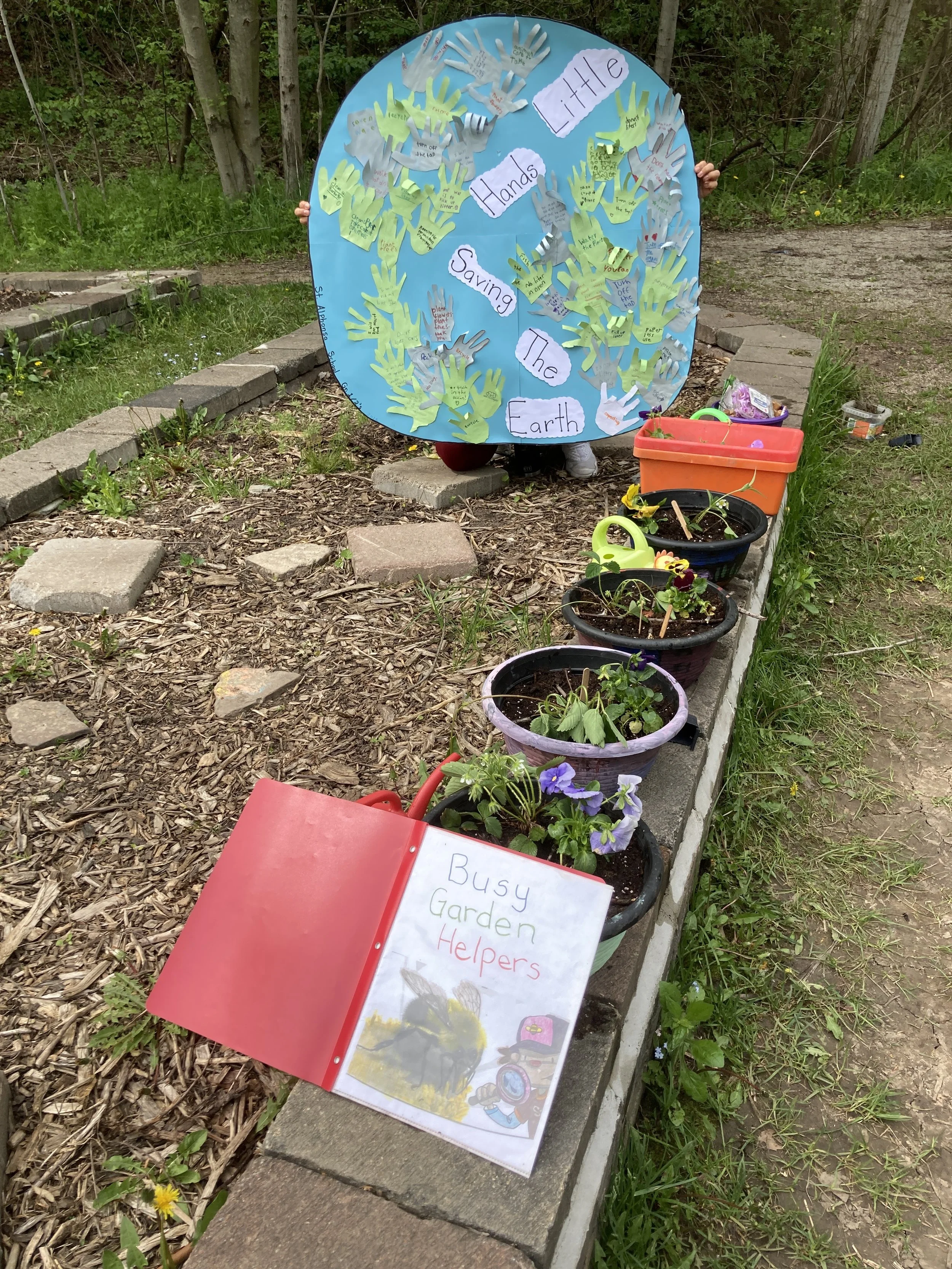
Busy Garden Helper stories of bees and gardening activities help students learn their value and foster sustainable mindsets. A few program days are available this June to support teachers, email us to see if we can support your goals.
Everyone was happy to be outside in a relaxed natural setting, surrounded by trees and free to ask questions about the things they are curious about—or sometimes worried about. Snakes, ticks, bees, animals and even the outdoor toilet are common topics! Just as common however, are questions about frogs, birds, butterflies, fish and other fascinating creatures that share our environment.
As students learn about these living things through engaging, hands-on activities they begin asking thoughtful questions and develop confidence in the outdoors. Throughout our programs, we emphasize our direct connection to nature and our dependence on healthy ecosystems. By fostering awareness, stewardship and gratitude students learn to appreciate nature rather than fear it.
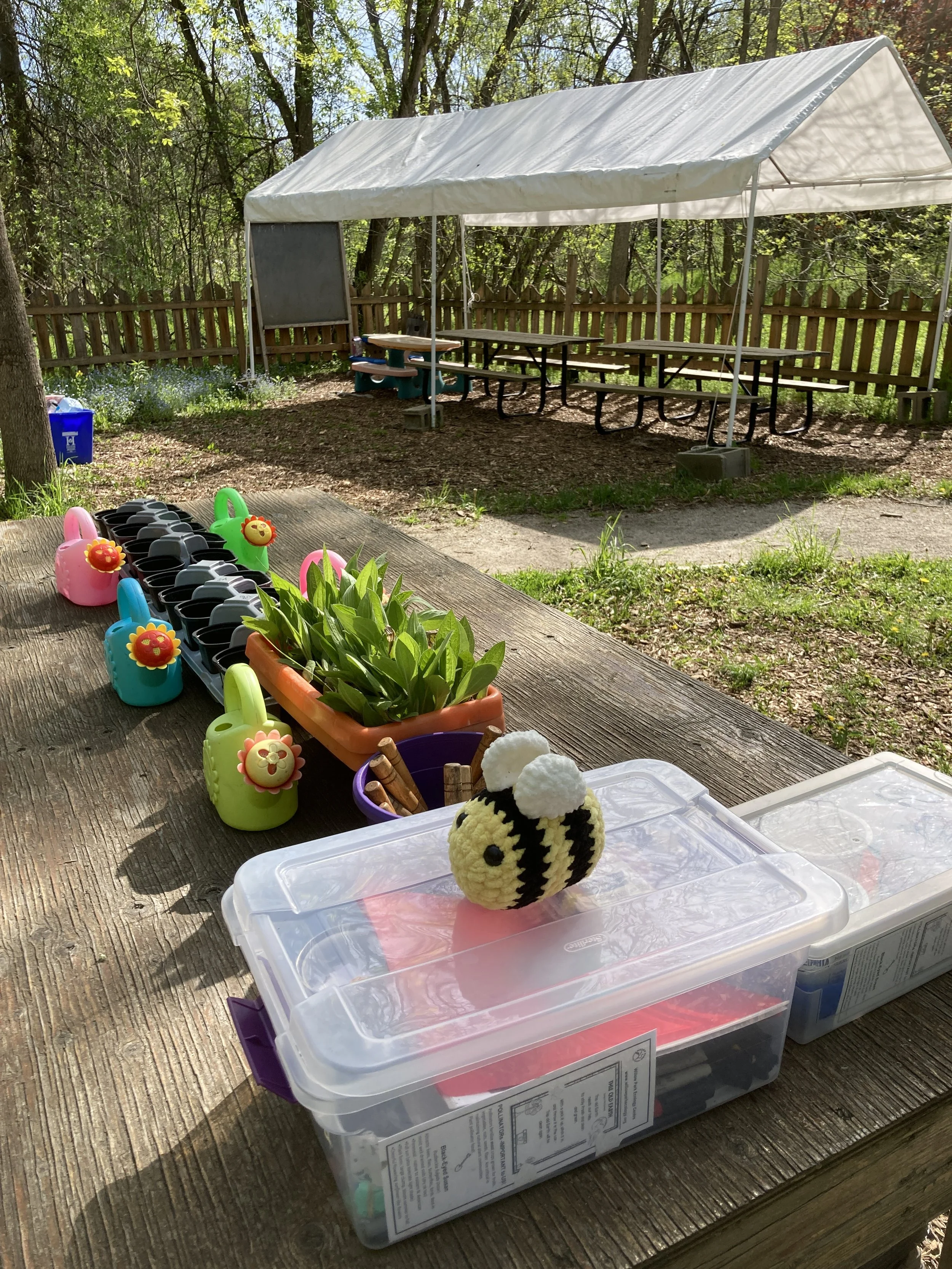
Pollinators Are Our Friends Unit: students learn the importance of our friends, the pollinators and plant Black-Eyed Susan take aways.
NOTE: A few program dates remain available during the final two weeks of June for teachers looking for a memorable year-end field trip experience. We are also beginning to book programs for September. When you're ready, contact us and come outside to feel empowered!
Many Kindergarten and Grade 1 students explored life above, below and within the pond ecosystem. They observed pondlife and water up-close while discovering the important role ponds play in the environment. They also participated in our Pollinators Are Our Friends program learning about our connection to pollinators and how they support ecosystems and our food supply. Students were excited to plant their own Black-eyed Susan in a recycled pot to take home and begin a pollinator patch of their own. Pollinator education is woven throughout our programming and continues to be one of our most impactful learning experiences.
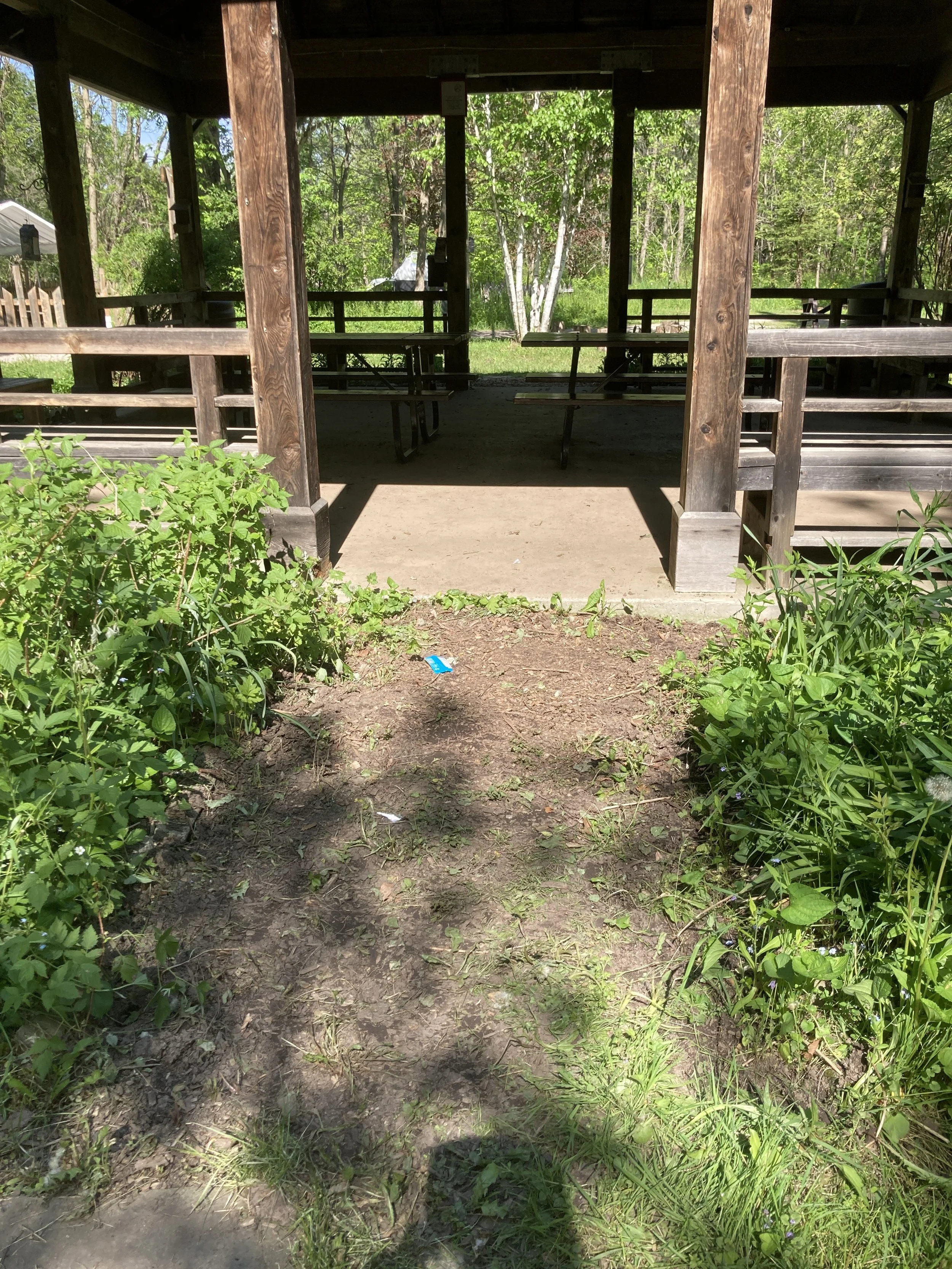
Students also enjoyed picnic lunches in our Pavilion and habitat discovery walks through the ravine along Creek and Forest trails.
Grade 3 students conducted experiments using soil collected from the nature park and explored the relationship between healthy soils and healthy plants, then planted a vegetable nursery. Grade 5 students used a water wheel and participated in a laundry relay to explore renewable energy concepts. And considered how our energy use affects the carbon cycle and climate change. One student told us she, loved the park and planned to return with her family.
In May, we also brought nature directly into several schools for students who could not easily participate in off-site field trips. Whether in-school or in-park, these programs provide meaningful opportunities for students to connect with the natural world.
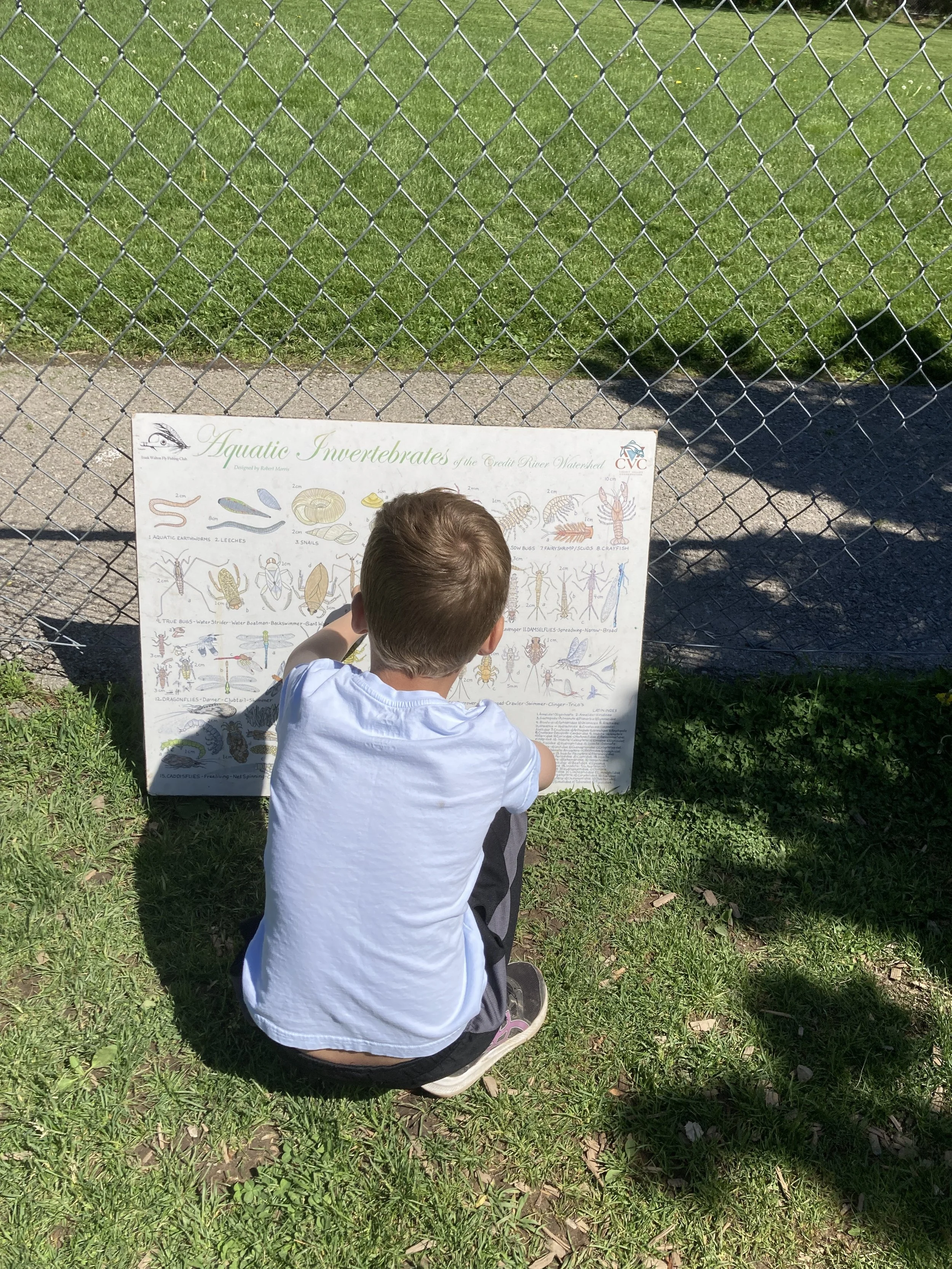
Our in-school programs help students learn about bugs and invertebrates to foster their curiousity and knowledge.
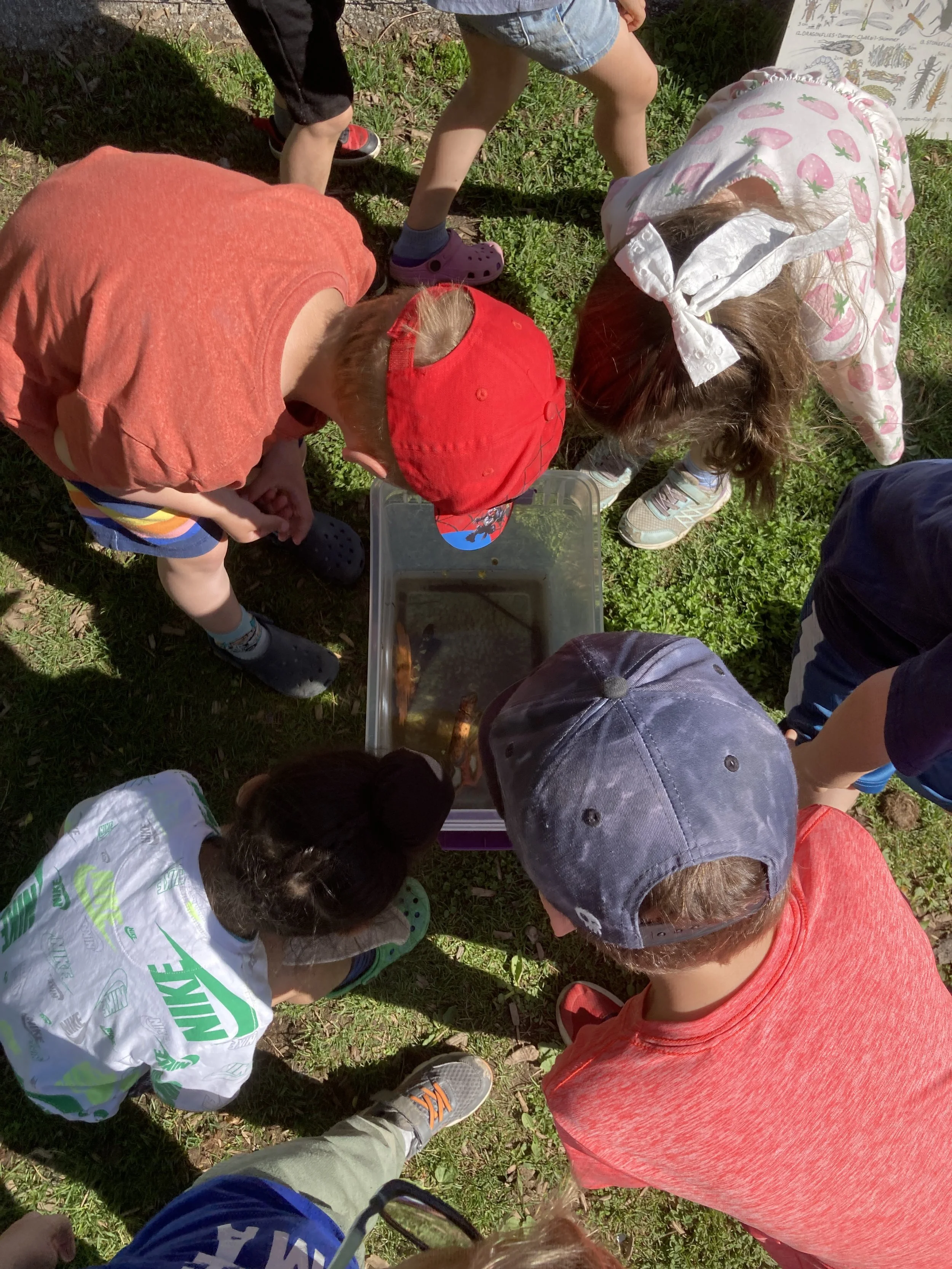
Our in-school programs bring nature to the students to observe pondlife collected at the Ecology Centre.
Grade 6 students investigated biodiversity through a forest tree-study game and explored our University of Guelph BugQuest Research Study Plot. There, they learned how insects contribute to healthy ecosystems as pollinators, decomposers and important food sources for other wildlife. And the 48 students also planted in our Children's Vegetable Garden beds, making connections between biodiversity, insects, food production and sustainable agriculture. These gardens will continue to serve as educational and stewardship spaces for our programs and summer camps.
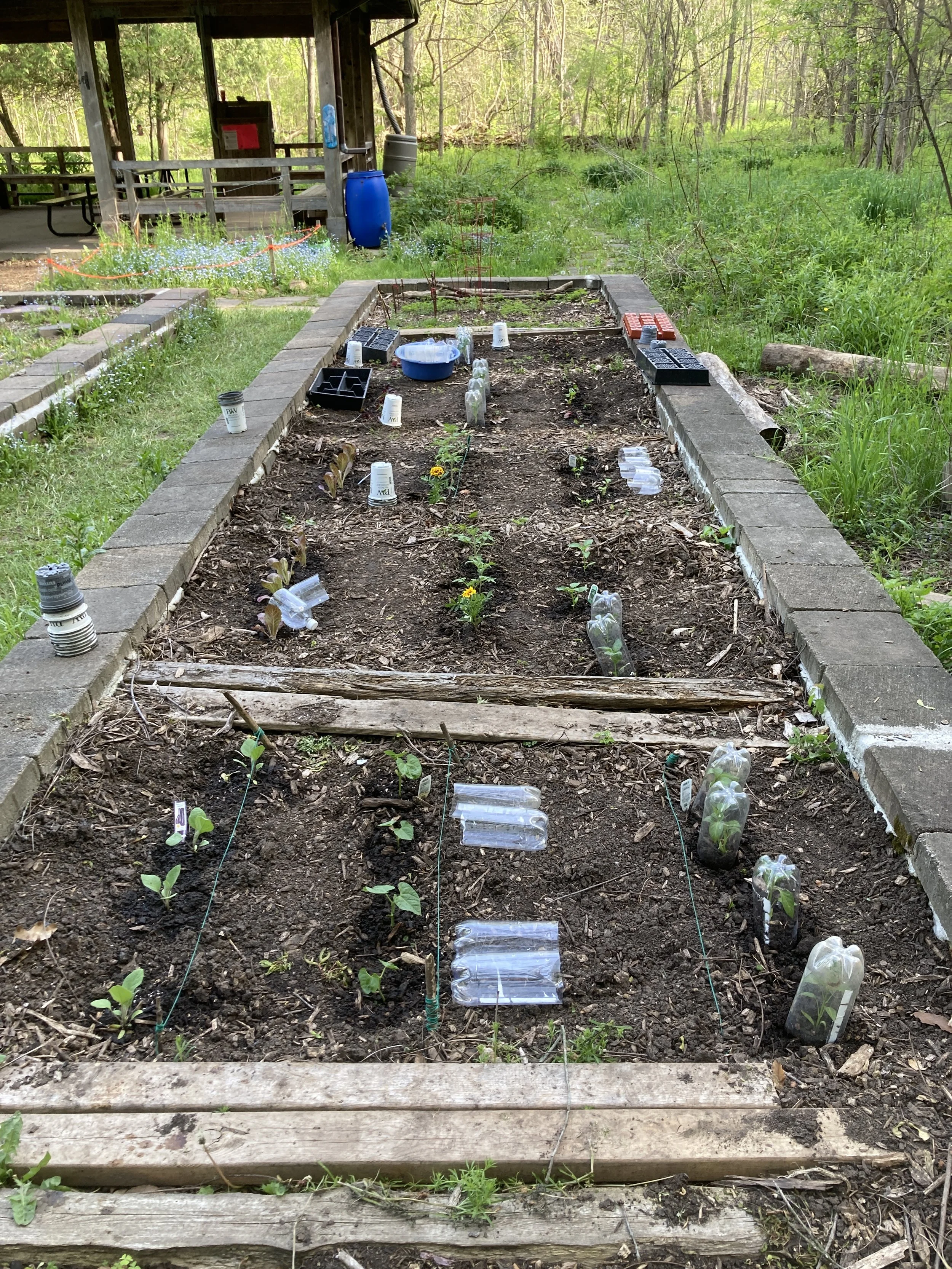
Our Children’s Vegetable Garden was planted by Grade 6 students with vegetables such as tomatoes, peppers, broccoli and celery.
2026.4
